What Are the Pros and Cons of Aluminum Gutters?
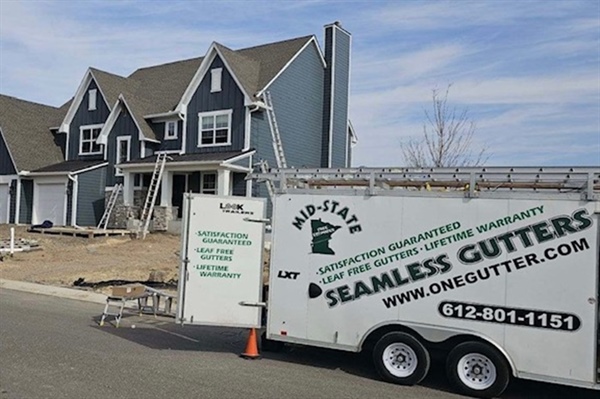
Homeowners comparing gutter materials often focus on long-term durability, maintenance requirements, appearance, and cost. Aluminum gutters continue to be one of the most widely installed systems in residential construction because they balance performance, affordability, and weather resistance. From heavy rainstorms to freeze-thaw cycles, aluminum remains a dependable option for protecting roofing systems, siding, landscaping, and foundations from water intrusion.
Mid-State Seamless Gutters has worked with homeowners across the Twin Cities region who need gutter systems that can handle changing seasonal conditions while maintaining curb appeal over time. Modern aluminum gutters are available in a wide range of colors, thicknesses, and seamless configurations, making them suitable for many residential architectural styles. Understanding the advantages and limitations of aluminum helps homeowners make informed decisions about long-term exterior protection, maintenance planning, and overall property value.
Many property owners also have questions about impact resistance, protective coatings, snow performance, and material grades before selecting a gutter system. These details matter because climate conditions, roof design, surrounding trees, and seasonal debris loads all affect gutter lifespan and performance. The following sections examine the most common questions homeowners ask when evaluating aluminum gutter systems and explain how material selection influences durability and long-term reliability.
Why Are Aluminum Gutters the Most Common Choice for Homes?
Aluminum gutters are commonly selected because they offer a strong combination of affordability, corrosion resistance, low maintenance requirements, and installation flexibility. Unlike steel gutters, aluminum does not rust when exposed to moisture over long periods. This characteristic is especially valuable in climates with heavy rainfall, snow accumulation, or repeated freeze-thaw cycles. Aluminum also weighs substantially less than steel, which reduces structural stress on fascia boards and simplifies installation on both older and newer homes.
Another reason aluminum remains popular is its adaptability to seamless gutter manufacturing. Seamless systems reduce the number of joints along the gutter run, minimizing the potential for leaks and debris buildup. Many homeowners prefer seamless systems because they create a cleaner appearance and require less maintenance over time. Mid-State Seamless Gutters emphasizes seamless gutter fabrication because properly fitted systems improve drainage efficiency and reduce common weak points associated with sectional gutter installations.
Color customization also contributes to aluminum’s popularity. Factory-finished aluminum gutters are available in many baked enamel finishes designed to resist fading, peeling, and chalking. Homeowners can coordinate gutters with roofing materials, trim, soffit, fascia, and siding without requiring extensive painting or refinishing. In many residential applications, aluminum gutters provide a balance between appearance, performance, and long-term value that appeals to homeowners seeking dependable drainage protection without the higher costs associated with premium materials like copper.
How Resistant Is Aluminum to Dents and Impact Damage?
Aluminum gutters provide moderate impact resistance, though their performance depends heavily on material thickness and installation quality. Standard residential gutters are commonly manufactured using .027-inch or .032-inch aluminum. Thicker gauges generally resist denting more effectively during hailstorms, ladder contact, falling branches, or ice movement. Homes located near mature trees or in regions with severe weather often benefit from heavier-gauge aluminum systems because they maintain structural shape more effectively under stress.
Compared to vinyl gutters, aluminum typically performs better during temperature fluctuations and impact events because it maintains flexibility without becoming brittle in colder weather. However, aluminum is still softer than galvanized steel or copper. Direct impacts from large branches, heavy ladders, or severe hail can deform sections of the gutter system. Dented gutters may disrupt water flow, create standing water, or affect the pitch required for proper drainage toward downspouts.
Proper support spacing also influences dent resistance. Hangers installed at correct intervals help aluminum gutters maintain structural stability during snow loads and storm conditions. Professional installation practices, including reinforced fastening methods and accurate pitch calculations, improve long-term performance and reduce stress concentrations that contribute to warping or deformation. Homeowners evaluating gutter systems should understand that thicker aluminum materials generally provide improved durability while still maintaining the corrosion resistance and lighter weight advantages associated with aluminum construction.
What Coatings Improve Aluminum Gutter Performance?
Protective coatings significantly improve the lifespan and appearance retention of aluminum gutters. Most modern aluminum gutters include factory-applied baked enamel finishes designed to protect the metal surface from ultraviolet exposure, oxidation, moisture intrusion, and surface degradation. These coatings help preserve color consistency while reducing fading, peeling, and chalking that can occur after years of environmental exposure.
High-quality gutter coatings also improve resistance to scratches and surface wear caused by debris movement, cleaning tools, or seasonal expansion and contraction. Some systems include advanced polyester or acrylic-based finishes that improve adhesion and weather resistance compared to older painted systems. In regions with substantial snow and ice accumulation, durable coatings help reduce moisture penetration at exposed edges and support longer service life during repeated freeze-thaw cycles.
Coating quality becomes especially important when gutters are installed beneath overhanging trees or exposed to significant sun exposure throughout the year. Debris accumulation, standing water, and organic material can accelerate finish deterioration if lower-grade coatings are used. Mid-State Seamless Gutters works with professionally manufactured gutter systems designed for long-term exterior durability, helping homeowners maintain consistent appearance and drainage performance across changing Minnesota weather conditions.
How Does Aluminum Perform in Snow-Heavy Regions?
Aluminum gutters perform well in snow-heavy regions when they are properly sized, securely fastened, and professionally installed. Snow accumulation alone is not usually the primary issue for gutter systems. Ice dams, freeze-thaw expansion, and shifting snow loads place the greatest stress on gutters during winter months. Seamless aluminum systems reduce leak points that commonly develop when expanding ice places pressure on seams and joints.
Gutter pitch and hanger spacing become critically important in colder climates. Properly pitched gutters encourage efficient drainage before temperatures drop below freezing, reducing the likelihood of standing water that later forms ice blockages. Reinforced hidden hangers and heavy-duty fastening systems also improve structural support during periods of snow accumulation. Homes in Minnesota and other northern climates often benefit from oversized downspouts and gutter protection systems that reduce debris buildup and maintain water flow during seasonal transitions.
Thermal expansion is another factor that affects gutter performance in snow-heavy environments. Aluminum expands and contracts with temperature changes, but seamless fabrication reduces the number of connection points vulnerable to movement-related failure. Homeowners who experience recurring ice dam formation should also evaluate attic insulation, roof ventilation, and snow retention patterns because gutter systems alone cannot fully compensate for underlying roofing heat-loss issues.
Are There Different Grades of Aluminum Gutters?
Aluminum gutters are available in several thicknesses and material grades designed for different performance requirements and property types. Residential systems commonly use .027-inch aluminum, while premium residential and commercial applications may use .032-inch or thicker materials. Heavier-gauge aluminum provides improved rigidity, dent resistance, and long-term structural stability, particularly in regions exposed to snow loads, hail, or heavy debris accumulation.
The manufacturing process also influences overall gutter quality. Seamless roll-formed gutters reduce leak potential by minimizing sectional joints, while higher-grade aluminum coils often include stronger protective finishes and improved corrosion resistance. Some lower-cost systems use thinner materials that may flex more easily under stress, leading to sagging, pitch changes, or faster deterioration over time.
Homeowners comparing gutter systems should evaluate thickness, hanger systems, coating quality, and installation standards together rather than focusing solely on price. Mid-State Seamless Gutters installs professionally fabricated seamless systems designed for long-term durability and weather performance in Brooklyn Park and throughout the Twin Cities region. Additional details about gutter system options, materials, and installation considerations are available through Mid-State Seamless Gutters, where homeowners can compare drainage solutions suited for varying rooflines and climate conditions.
Reliable Aluminum Gutter Installation and Exterior Protection
At Mid-State Seamless Gutters, we help homeowners understand how gutter material selection affects drainage performance, maintenance requirements, and long-term exterior protection. Our team installs professionally fabricated seamless aluminum gutter systems designed to handle heavy rainfall, snow accumulation, seasonal debris, and changing Minnesota weather conditions. We work closely with homeowners to evaluate roof design, drainage capacity, and material durability so each system performs reliably year after year.
Whether you are comparing gutter thicknesses, evaluating protective coatings, planning for winter performance, or replacing aging drainage systems, our experienced installers provide practical guidance based on proven installation standards and product performance. We also offer gutter covers, soffit and fascia services, and complete drainage solutions tailored to residential properties throughout the Twin Cities area.
To learn more about seamless aluminum gutter systems or schedule a consultation, contact Mid-State Seamless Gutters at 612-801-1151 or visit us at 8401 73RD AVE N #44, BROOKLYN PARK, MN 55428. You can also contact us online to discuss gutter replacement, gutter protection systems, or drainage upgrades for your home.