What Problems Can Poorly Functioning Gutters Cause to Your Home?
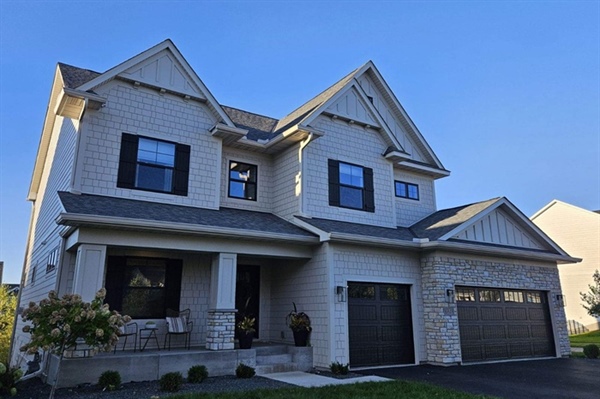
Gutters do far more than move rainwater off a roofline. A properly functioning gutter system helps control how water travels around a home, protecting the roof, siding, foundation, landscaping, and basement from moisture-related damage. When gutters become clogged, improperly pitched, detached, or damaged, water can collect in areas where it was never intended to go. Over time, this excess moisture can weaken structural materials, erode soil, stain siding, and increase the risk of interior water intrusion. Homeowners often notice the visible symptoms first, such as overflowing water or sagging sections, but the hidden structural effects can become much more expensive if the problem continues unchecked.
In climates with heavy rainfall, snow, and freeze-thaw cycles, gutter performance becomes even more important. Mid-State Seamless Gutters has worked with homeowners across the Twin Cities region who have experienced issues tied directly to poor drainage and unmanaged roof runoff. From foundation movement and basement moisture to fascia deterioration and landscape erosion, neglected gutters can affect nearly every part of a home’s exterior. The sections below explain how clogged or failing gutters contribute to common structural problems, what warning signs homeowners should watch for, and why consistent drainage management plays a major role in long-term property protection.
How Clogged Gutters Lead to Foundation Damage
Foundation systems are designed to support the weight of a home while remaining stable within surrounding soil conditions. Gutters play a direct role in maintaining those soil conditions by collecting roof runoff and channeling water away from the structure. When gutters become clogged with leaves, shingle granules, twigs, or debris, water spills over the edge instead of moving safely through the downspouts. This repeated overflow saturates the soil immediately surrounding the foundation, creating hydrostatic pressure against basement walls and footings.
As soil absorbs excess moisture, it expands and shifts. During dry periods, that same soil contracts as it loses moisture. This cycle of expansion and contraction places stress on concrete foundations and can contribute to cracks, settlement, uneven floors, and wall movement over time. Homes in regions with clay-heavy soil are particularly vulnerable because clay retains water aggressively and experiences more dramatic movement. In colder climates, trapped moisture can also freeze and expand, increasing pressure against the foundation during winter months.
Water pooling near the base of a home can also undermine the compacted soil that supports the foundation. Erosion gradually washes away stable soil layers, allowing portions of the structure to settle unevenly. Even minor settlement can lead to visible structural symptoms, including sticking doors, cracked drywall, and gaps around windows. Properly installed and maintained gutters help prevent this cycle by directing runoff away from the home before it has the opportunity to accumulate near the foundation perimeter.
Research from building science and waterproofing professionals consistently shows that roof runoff management is one of the most important factors in preserving foundation integrity. Water does not need to enter the basement immediately to create problems. Long-term moisture exposure around the perimeter of a home gradually weakens surrounding conditions, making routine gutter inspection and drainage maintenance a critical part of structural preservation.
The Role Gutters Play in Preventing Basement Flooding
Basement flooding often begins outside the home long before water appears indoors. Gutters and downspouts are designed to intercept thousands of gallons of rainwater each year and redirect that water away from the foundation. Without proper drainage control, roof runoff falls directly near basement walls where it can seep through cracks, porous concrete, window wells, or expansion joints. Even homes with sump pump systems and waterproof coatings remain vulnerable when drainage around the exterior is poorly managed.
During heavy rainstorms, a clogged or undersized gutter system can overflow rapidly. Water spilling over the edge of the roofline saturates the ground around the home at a much faster rate than the soil can absorb. Once the soil becomes oversaturated, hydrostatic pressure increases against basement walls. This pressure forces water through weak points in the structure, often resulting in damp walls, musty odors, efflorescence, or standing water on basement floors.
Downspout placement also affects basement moisture control. If downspouts discharge too close to the home, runoff may recycle back toward the foundation instead of dispersing safely away from the structure. Proper slope, extension placement, and drainage direction all influence whether water remains near basement walls or moves safely into designated drainage areas. Many homeowners underestimate how quickly roof runoff accumulates during even moderate rainfall events.
Mid-State Seamless Gutters frequently works with homeowners in Brooklyn Park and surrounding Twin Cities communities where snowmelt and seasonal storms increase the volume of roof runoff. Homes exposed to repeated freeze-thaw cycles are especially susceptible because frozen soil limits drainage and redirects water toward the structure. Consistent gutter cleaning, secure downspout connections, and properly sized drainage systems reduce the likelihood of basement moisture intrusion and long-term mold growth.
Can Faulty Gutters Cause Roof Rot or Fascia Damage?
Faulty gutters are a common cause of fascia deterioration and roof edge rot because overflowing water repeatedly saturates nearby wood components. Fascia boards are installed directly behind the gutter system and provide structural support along the roofline. When gutters clog or pull away from the home, water can become trapped against the fascia instead of draining away properly. Prolonged moisture exposure allows wood to soften, warp, and eventually decay.
Roof rot typically develops when standing water backs up beneath shingles or remains trapped near the roof edge for extended periods. Clogged gutters prevent water from flowing freely, causing it to pool along the eaves. During colder months, this trapped water may contribute to ice dam formation. Ice dams force melting water beneath roofing materials, where moisture enters the roof decking and attic structure. Over time, repeated exposure can weaken plywood sheathing, insulation, rafters, and adjacent framing materials.
Fascia damage often appears gradually. Paint may begin peeling, discoloration may develop along the roofline, or soft spots may become visible around gutter fasteners. In advanced cases, gutters can detach completely because the underlying wood no longer provides adequate support. Water intrusion near soffits can also create conditions favorable for mold growth and pest activity, particularly when moisture remains trapped in poorly ventilated roof areas.
Seamless gutter systems are often recommended because they reduce the number of joints where leaks commonly develop. Proper pitch, secure fastening, and routine maintenance all contribute to protecting roof edges from chronic moisture exposure. Homeowners who notice overflowing gutters during rainstorms or visible staining beneath the roofline should treat these symptoms seriously because hidden wood rot can spread well beyond the visible area.
How Water Overflow Impacts Landscaping and Soil Erosion
Overflowing gutters can significantly damage landscaping by concentrating large volumes of water into small areas around the property. Instead of distributing rainfall gradually across the yard, clogged gutters release heavy sheets of water directly beside planting beds, walkways, and foundation edges. This concentrated runoff displaces mulch, washes away topsoil, and creates erosion channels that alter the grading around the home.
Soil erosion becomes especially problematic when runoff repeatedly strikes the same area during storms. As topsoil washes away, grass roots lose stability and landscaping becomes more difficult to maintain. Exposed roots, dying plants, and uneven ground surfaces are common signs that uncontrolled roof runoff is affecting the property. Over time, erosion can also compromise patios, driveways, retaining walls, and sidewalks by weakening the supporting soil beneath these surfaces.
Improper drainage may also contribute to standing water throughout the yard. Saturated soil limits oxygen availability to plant roots and encourages fungal growth, root rot, and insect activity. Decorative landscaping features can deteriorate more quickly when exposed to repeated water overflow, especially in areas where drainage patterns have been altered by gutter failure. During winter, excess runoff can freeze on walkways and create dangerous slip hazards around entrances and driveways.
Professional drainage planning focuses not only on protecting the structure itself, but also on preserving grading and landscape stability. Properly positioned downspouts, splash blocks, drainage extensions, and gutter sizing all influence how water disperses across a property. Homes with mature landscaping often benefit from carefully managed runoff because uncontrolled water movement can destroy years of landscape investment within a relatively short period.
Early Warning Signs of Gutter-Related Structural Issues
Many gutter-related structural problems begin with subtle warning signs that homeowners overlook until significant damage has already occurred. Overflowing water during rainstorms is one of the clearest indicators that a gutter system is no longer draining correctly. Water spilling over the sides of gutters often signals clogs, improper pitch, or inadequate drainage capacity. Even occasional overflow can expose nearby structural materials to repeated moisture damage.
Visible staining on siding, peeling exterior paint, mildew growth, and rust spots near gutter seams are also common indicators of drainage problems. Homeowners may notice sagging gutter sections, detached fasteners, or pooling water near the foundation after storms. Indoors, warning signs may include basement humidity, musty odors, drywall cracks, warped flooring near exterior walls, or unexplained moisture near windows and corners.
Changes in the surrounding landscape can also reveal hidden gutter problems. Soil displacement, eroded flower beds, trench-like runoff patterns, and recurring puddles near the home often indicate that water is not being directed away properly. During winter, excessive icicle formation and ice dams along the roofline may signal restricted gutter flow or poor drainage conditions that allow water to freeze near the eaves.
Homeowners who recognize these warning signs early can often prevent more extensive structural repairs. Mid-State Seamless Gutters emphasizes routine inspections because drainage systems experience constant exposure to debris, seasonal expansion, temperature shifts, and heavy precipitation. A properly maintained gutter system supports the long-term protection of roofing materials, foundations, siding, fascia boards, landscaping, and basement structures throughout every season.
Protect Your Home With Reliable Gutter Solutions
At Mid-State Seamless Gutters, we understand how much damage poor drainage can cause to a home over time. Our team works with homeowners throughout the Twin Cities area to install and maintain gutter systems that help reduce foundation stress, basement moisture, fascia deterioration, roof edge rot, and landscape erosion. We focus on durable seamless gutter systems, gutter covers, soffit and fascia support, and professionally managed water flow solutions designed for Minnesota weather conditions.
We take pride in offering expertly trained installers, transparent communication, and long-term drainage solutions backed by quality workmanship and lifetime warranty options. Whether you have noticed overflowing gutters, standing water near your home, or early warning signs of structural moisture damage, our team can evaluate the condition of your system and recommend practical solutions that support long-term property protection.
To learn more about protecting your property from gutter-related damage, contact us today. Mid-State Seamless Gutters is located at 8401 73RD AVE N #44, BROOKLYN PARK, MN 55428, and homeowners can reach our team directly at 612-801-1151 to request additional information or schedule a consultation.